June 2, 2026
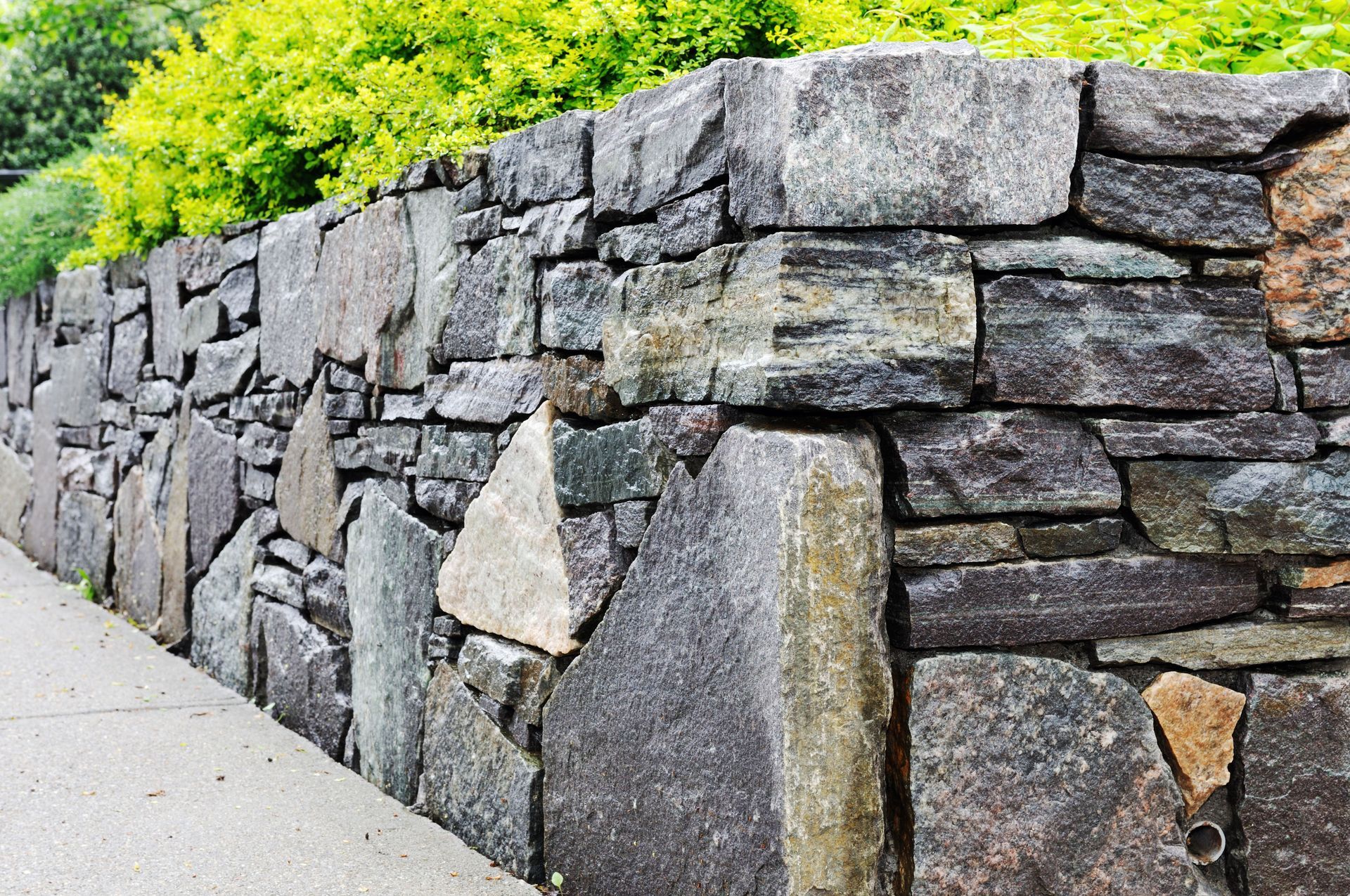
Retaining walls serve an important purpose in both residential and commercial landscapes. They help manage soil movement, improve drainage, support sloped areas, and create more functional outdoor spaces. When properly planned and constructed, these structures can enhance both appearance and property stability. However, improper installation can lead to serious structural concerns, water problems, and long-term landscape damage.
Many property owners invest in retaining wall services to improve the usability and visual appeal of their outdoor areas while protecting the land from erosion and shifting soil. According to LawnStarter, a professionally installed retaining wall may increase a property’s value by as much as 15% while also helping homes spend less time on the market. While retaining walls can offer major advantages, poor workmanship or improper planning can quickly turn those benefits into costly problems.
Choosing experienced professionals for retaining wall services is essential because even minor installation mistakes may create major risks over time. Understanding these risks can help property owners make informed decisions when planning landscaping improvements.
1. Structural Failure
One of the most serious risks of improper installation is structural failure. Retaining walls must withstand significant pressure from soil and moisture. If the wall is not properly engineered or supported, it may begin to crack, lean, bow, or collapse over time.
Weak foundations, poor material selection, and inadequate reinforcement often contribute to these problems. Soil movement places constant pressure on the wall, and without proper structural support, the wall may not be able to resist that force effectively. Structural failure can damage nearby landscaping, patios, driveways, and even portions of the property itself.
Professional retaining wall services help ensure that the structure is designed to handle the conditions of the site. Proper planning and installation techniques reduce the likelihood of movement and instability that could compromise the wall’s performance.
2. Drainage Problems
Drainage is one of the most important components of a successful retaining wall. Water naturally collects behind retaining walls, especially during heavy rain or irrigation cycles. Without proper drainage systems, water pressure can build up behind the structure and weaken its integrity.
Improper drainage often causes soil saturation, erosion, and cracking within the wall. Standing water may also create muddy conditions, foundation concerns, and damage to nearby outdoor features. In some situations, excess moisture can contribute to mold or mildew growth in surrounding areas.
Reliable retaining wall services focus heavily on drainage planning because water management plays a major role in the wall’s longevity. Drainage systems may include gravel backfill, drainage pipes, and strategic grading that direct water away from the structure. Proper moisture control helps preserve both the wall and the surrounding landscape.
3. Soil Erosion
Retaining walls are designed to stabilize soil and prevent erosion. When installed incorrectly, however, they can actually worsen erosion problems rather than solve them. Poor grading, weak support systems, or improper placement may allow soil to shift around or beneath the structure.
As erosion progresses, the wall may lose stability, and the surrounding areas can become uneven or damaged. Walkways, gardens, and outdoor living spaces may begin to settle or crack due to shifting ground conditions. Severe erosion may also affect neighboring properties or nearby structures.
Experienced retaining wall services take soil conditions into account during the planning process. Soil composition, slope characteristics, and drainage patterns all influence how the wall should be designed. Proper installation helps maintain stable ground conditions and minimizes long-term erosion concerns.
4. Foundation Damage
Improper retaining wall installation can eventually affect nearby foundations. Excess moisture, unstable soil, and shifting pressure may place stress on home foundations, garages, patios, or other structures located near the wall.
When water is not directed away properly, moisture may accumulate around the foundation of a building. Over time, this can contribute to cracking, settling, or other structural issues. Soil movement caused by an unstable retaining wall may also create uneven support beneath nearby surfaces.
Property owners often overlook how connected retaining walls are to the overall stability of the landscape. Professional retaining wall services help reduce these risks by designing systems that work together with the natural layout of the property. Stable grading and proper drainage can help protect surrounding structures from unnecessary stress.
5. Safety Hazards
An improperly installed retaining wall can create significant safety concerns. Leaning walls, falling materials, unstable soil, and collapsing sections may pose risks to residents, guests, pets, and nearby workers. Even smaller failures can result in injuries or property damage.
Safety hazards become even more concerning in areas with heavy rainfall or steep slopes. Saturated soil may increase pressure behind the wall, making sudden collapse more likely if the structure was not built correctly. Outdoor spaces intended for relaxation or recreation can quickly become dangerous when structural integrity is compromised.
Reliable retaining wall services prioritize safety throughout the design and construction process. Proper reinforcement, drainage planning, and material selection all contribute to a safer and more durable finished product. Investing in quality workmanship helps reduce the likelihood of dangerous failures in the future.
6. Reduced Property Appeal
Retaining walls often contribute heavily to a property’s curb appeal and outdoor design. However, visible defects caused by poor installation can negatively impact the appearance of the entire landscape. Cracks, leaning sections, uneven surfaces, and drainage stains may create an unmaintained or unsafe appearance.
Potential buyers and visitors frequently notice outdoor structural issues immediately. A damaged retaining wall may create concerns about larger property maintenance problems, even if the rest of the home appears well cared for. Landscaping investments are most effective when they combine functionality with long-term visual appeal.
Professional retaining wall services help property owners create outdoor spaces that remain attractive and stable over time. Skilled installation supports both the structural and aesthetic goals of the project while minimizing future maintenance concerns. Properly designed retaining walls can complement gardens, patios, pathways, and other landscape features without creating visual distractions.
7. Understanding the Importance of Professional Planning
Retaining wall installation involves far more than stacking materials together. Every project requires careful evaluation of slope conditions, soil behavior, drainage needs, and long-term structural performance. Small mistakes made during the planning phase can lead to expensive repairs and ongoing problems later.
Professional planning allows contractors to determine the best materials and installation methods for the property. Factors such as moisture levels, surrounding structures, and landscape design all influence how the retaining wall should be constructed. Proper preparation helps reduce the risk of unexpected complications after installation is complete.
Property owners who invest in experienced retaining wall services often benefit from better long-term performance, improved drainage control, and more stable outdoor environments. Skilled professionals understand how to balance structural requirements with visual design goals, creating results that enhance both safety and appearance.
8. Recognizing Early Warning Signs
Even retaining walls that appear stable initially may begin showing warning signs when installation problems exist. Cracks, leaning sections, bulging areas, and pooling water often indicate that the wall is experiencing stress or drainage failure. Uneven ground near the wall may also signal shifting soil conditions.
Addressing these warning signs early can help prevent more extensive damage in the future. Ignoring small issues may allow pressure and moisture problems to worsen over time. Early intervention often helps reduce repair costs and preserve the surrounding landscape.
Many property owners rely on retaining wall services to inspect existing structures and identify potential concerns before they become severe. Professional evaluations can help determine whether repairs, drainage improvements, or reinforcement measures are necessary to maintain long-term stability.
Retaining walls play an essential role in protecting landscapes, managing soil movement, and improving outdoor spaces. However, improper installation can create serious risks that affect safety, drainage, structural stability, and property appearance. Problems such as erosion, foundation damage, and wall failure often develop when planning and construction are not handled correctly.
Choosing experienced professionals for retaining wall services helps reduce these risks while supporting long-term durability and landscape performance. Proper design, drainage management, and structural reinforcement all contribute to a more stable and visually appealing property. If you are planning a landscape improvement project and want dependable results, Modern Landscaping Inc is ready to help us create durable retaining wall solutions that protect and enhance your outdoor space for years to come.