June 3, 2026
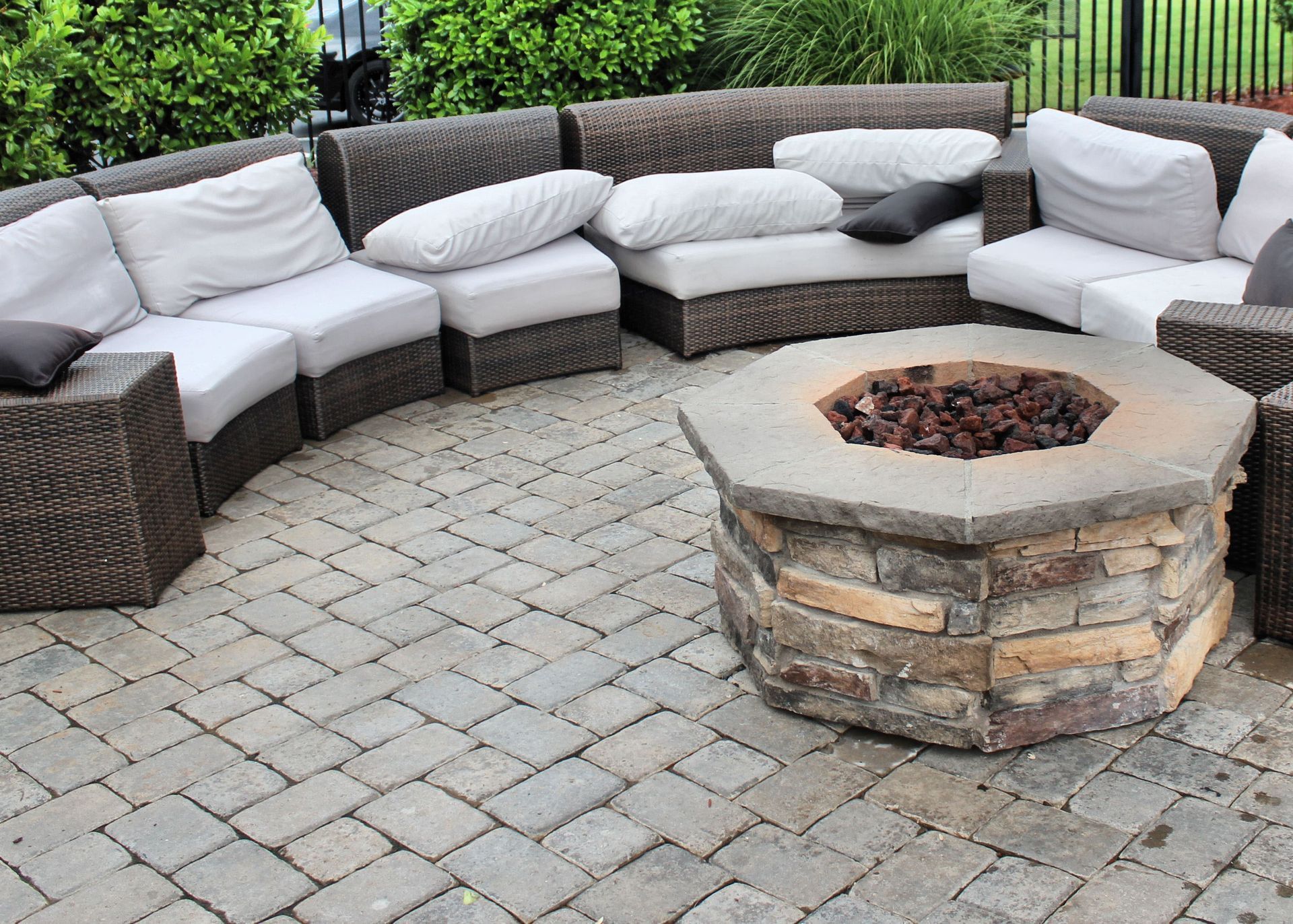
Hardscaping can transform an outdoor space by adding structure, beauty, and long-term function. Patios, walkways, retaining walls, outdoor steps, fire pits, and stone features can make a property more usable while improving curb appeal. However, these projects require careful planning, proper materials, and skilled installation. Before hiring a hardscaping company, it is important to ask the right questions so you understand the process, timeline, costs, and expected results.
The right questions can help you compare options and feel more confident before work begins. Hardscaping is a major investment, and the quality of the work can affect drainage, safety, appearance, and property value for years. A thoughtful conversation with your contractor can reveal their experience, communication style, and ability to complete the project properly. Asking about design, materials, maintenance, and scheduling helps ensure your outdoor improvement is built to last.
1. What Experience Do You Have With Projects Like Mine?
Before hiring a hardscaping company, ask about its experience with projects similar to yours. A contractor who has built patios may not have the same level of experience with retaining walls, drainage solutions, outdoor kitchens, or custom stonework. Each type of hardscape requires different planning and installation methods. Understanding the company’s background can help you determine whether they are prepared for your specific project.
You can also ask to see examples of completed work. Photos, project descriptions, or references can help you understand the quality and style of their installations. This is especially helpful if you have a specific vision for your outdoor space. A company with relevant experience should be able to explain past challenges, recommend practical solutions, and guide you through choices that fit your property. Asking about licensing, insurance coverage, and warranties can also provide additional peace of mind before work begins. These details help homeowners feel more confident that the contractor is qualified, professional, and prepared to complete the project responsibly and safely.
2. What Materials Do You Recommend for This Project?
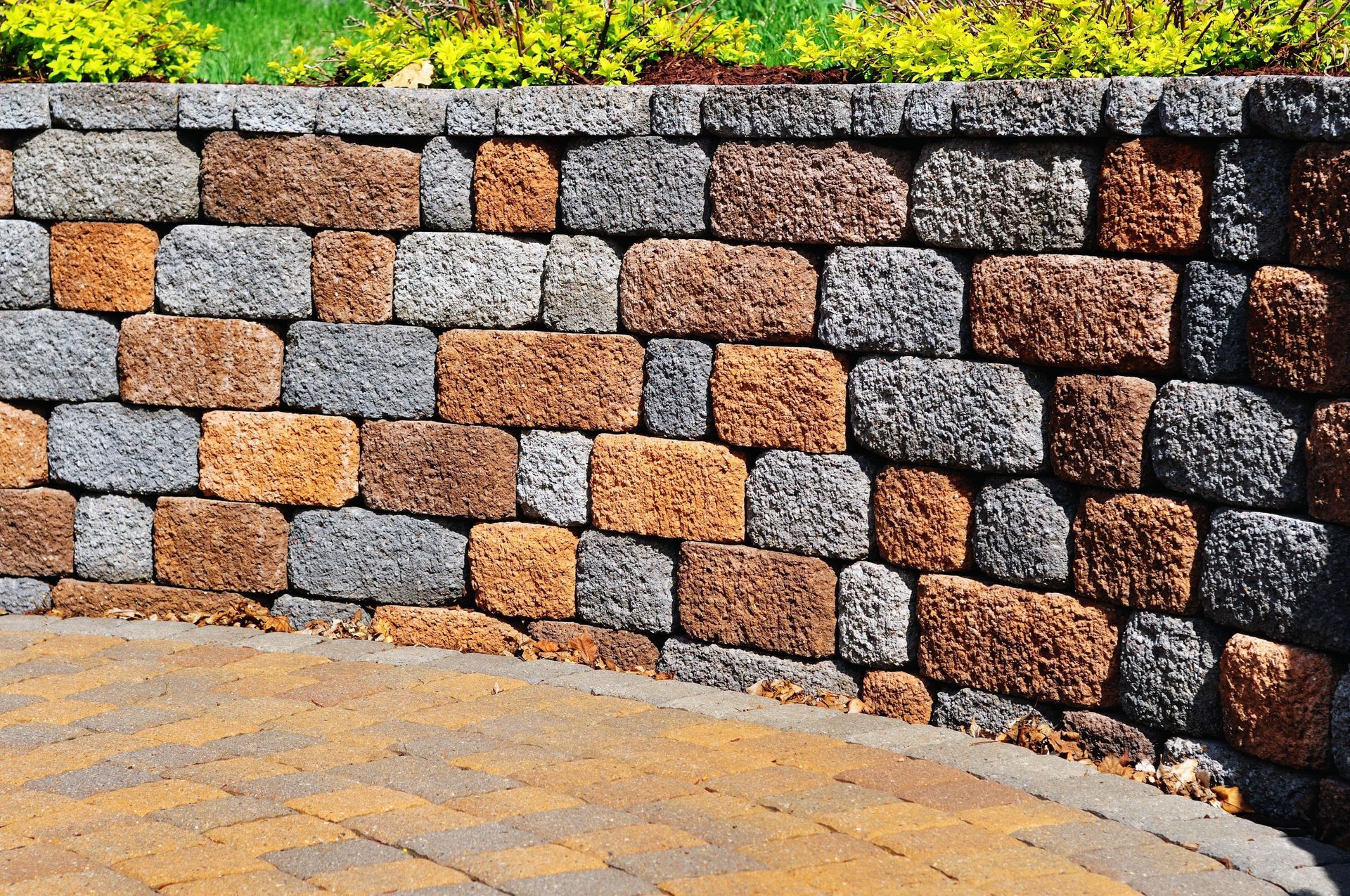
Material selection plays a major role in the appearance, durability, and maintenance needs of your hardscaping project. Pavers, natural stone, concrete, brick, gravel, and retaining wall blocks each offer different benefits. Some materials may be better for high-traffic areas, while others may be chosen for their texture, color, or ability to complement the existing landscape. Asking about materials helps you understand what will work best for your space.
A knowledgeable hardscaping company should explain why certain materials are recommended for your project. They should consider your budget, soil conditions, drainage needs, design goals, and long-term maintenance expectations. Choosing the wrong material can lead to premature wear, shifting, cracking, or drainage problems. Clear material guidance helps ensure the finished project looks good and performs well over time. It is also helpful to ask about the expected lifespan of different materials and whether certain options require more seasonal maintenance than others. Understanding these details can help homeowners choose materials that balance appearance, durability, cost, and long-term upkeep more effectively.
3. How Will You Handle Drainage and Site Preparation?
Drainage and site preparation are essential parts of any successful hardscaping project. Even the best-looking patio, walkway, or wall can fail if the base is not properly prepared. Poor drainage may lead to standing water, erosion, shifting pavers, foundation concerns, or damage to nearby landscaping. Asking about preparation helps you understand whether the contractor is thinking beyond appearance.
A professional contractor should evaluate the slope of your yard, soil conditions, water flow, and nearby structures before installation begins. They should also explain how the base will be prepared and how water will be directed away from problem areas. Proper grading, compacted base materials, and drainage planning help protect your investment. These steps may not always be visible after the project is complete, but they are critical to long-term performance. Homeowners should also ask whether additional drainage solutions, such as French drains or retaining systems, may be recommended for the property. Addressing drainage concerns early can help reduce future maintenance issues and protect surrounding landscaping and structures from unnecessary water-related damage over time.
4. What Is Included in the Project Estimate?
A clear estimate helps prevent confusion and unexpected costs. Ask what is included in the price, such as materials, labor, demolition, debris removal, grading, equipment, permits, and cleanup. Some estimates may look lower at first because they leave out important items. Understanding the full scope of the project helps you compare contractors more accurately.
When speaking with a hardscaping company, ask whether the estimate includes possible adjustments if hidden issues are discovered. For example, poor soil, drainage problems, or buried obstacles may affect the project. A detailed estimate should explain what work will be completed and what could result in additional costs. Clear pricing helps homeowners plan their budget and reduces the chance of misunderstandings during the project.
5. How Long Will the Project Take to Complete?
Project timelines can vary depending on the size, design, weather, material availability, and site conditions. A small walkway may be completed quickly, while a large patio or retaining wall may take more time. Asking about the schedule helps you prepare for disruptions and understand when your outdoor space will be ready to use.
A reliable contractor should provide a realistic timeline and explain what could affect completion. Weather delays, material delivery, and unexpected site conditions may change the schedule. It is also helpful to ask how the crew will protect your property during the project and whether access to driveways, walkways, or outdoor areas will be limited. Good communication about timing makes the process easier for everyone involved.
6. How Will This Project Add Long-Term Value?
Hardscaping can improve more than the appearance of your property. A well-designed outdoor space can create better traffic flow, add usable living areas, improve safety, and support stronger curb appeal. Features such as patios, walkways, and retaining walls can make the property more functional for everyday use and more attractive to future buyers.
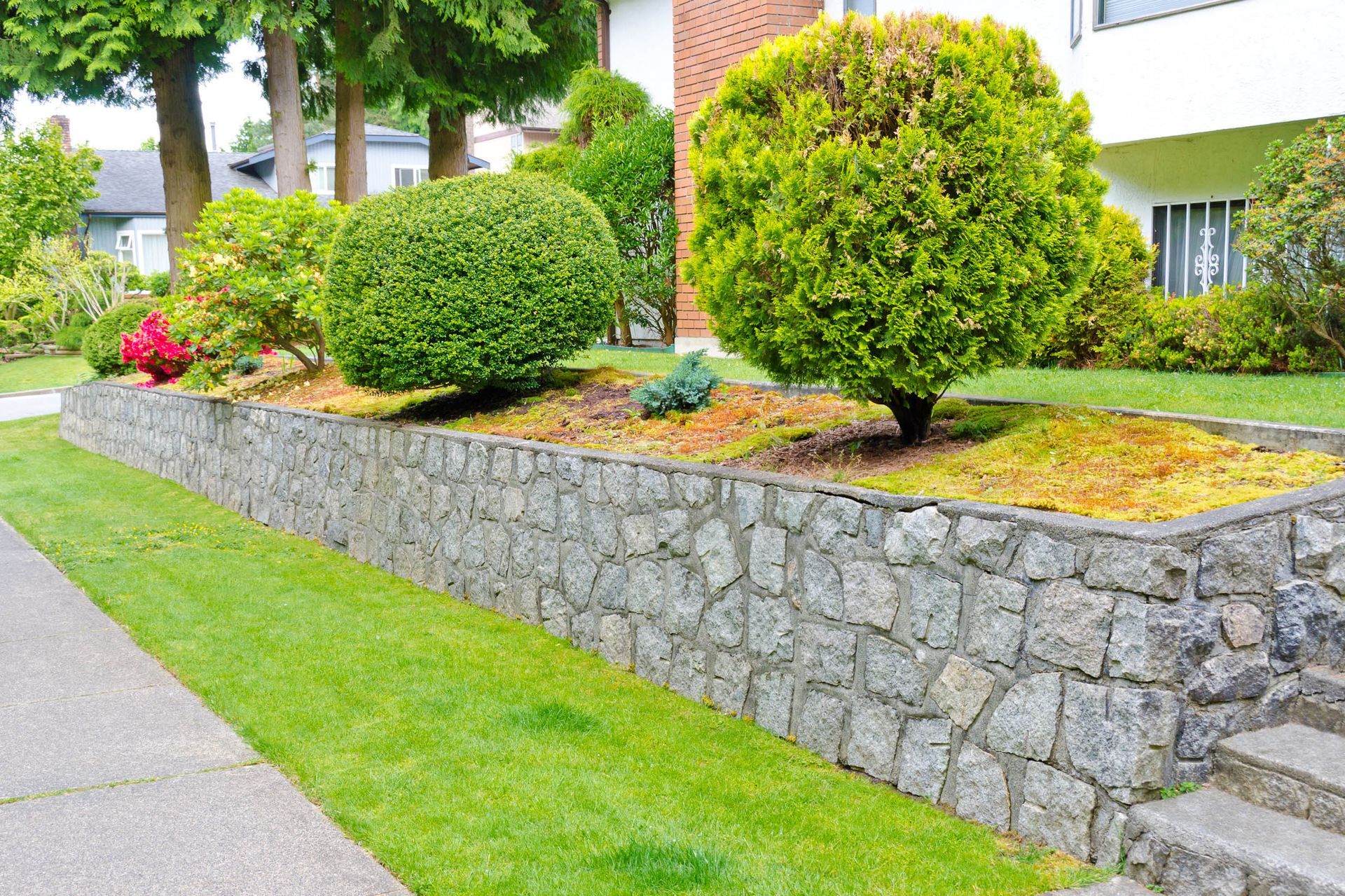
According to LawnStarter, building a retaining wall may boost a home’s value by up to 15% and could also help the property sell more quickly. A hardscaping company can help you choose improvements that fit your goals, whether you want a better outdoor entertaining space, erosion control, or a more polished landscape design. Asking about long-term value helps ensure the project supports both your lifestyle and your property investment.
7. What Maintenance Will Be Needed After Installation?
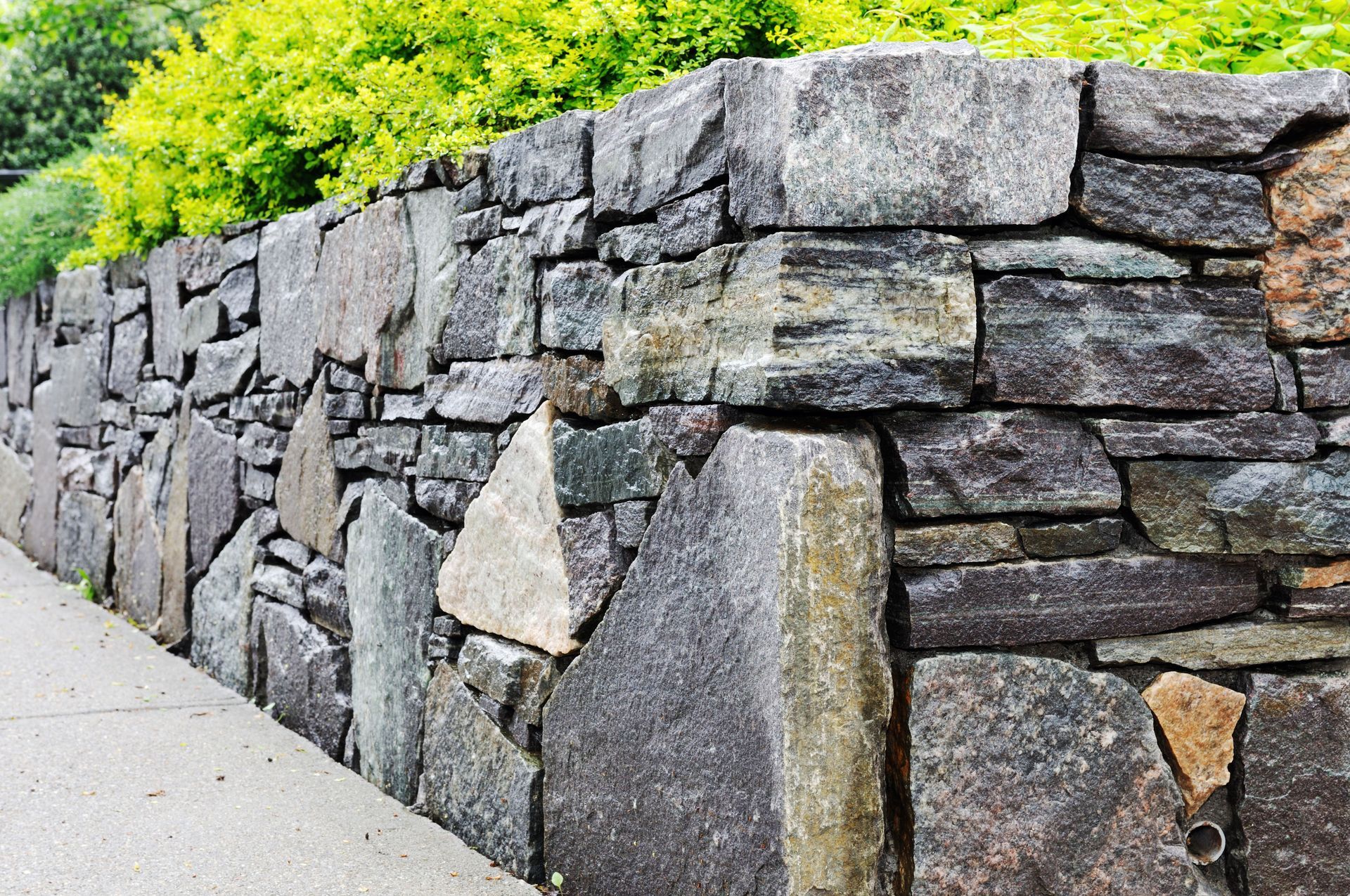
Every hardscaping feature requires some level of maintenance. Pavers may need occasional cleaning, joint sand replacement, or sealing. Natural stone may require special care depending on the material. Retaining walls should be monitored for movement, drainage issues, or settling. Asking about maintenance before installation helps you understand what will be required to keep the project looking and performing its best.
A dependable hardscaping company should explain how to care for the materials used in your project. They may also recommend seasonal inspections, cleaning methods, or protective treatments. Knowing the maintenance needs in advance helps you avoid damage and extend the life of the installation. It also helps you choose materials and designs that match the amount of upkeep you are comfortable handling.
Asking the right questions before beginning a hardscaping project can help you choose a hardscaping company with confidence. Experience, material knowledge, drainage planning, clear estimates, realistic timelines, long-term value, and maintenance guidance all matter when creating an outdoor space that lasts. A well-planned hardscape can improve your property’s appearance, function, and enjoyment for years to come. To start planning a durable and attractive outdoor project, contact Modern Landscaping Inc.