June 4, 2026
Outdoor spaces can add beauty, comfort, and value to a property, but they need the right planning and construction to perform well over time. Patios, walkways, retaining walls, steps, fire pits, and other hardscape features must be built with proper materials, drainage, grading, and support. When these elements are not installed or maintained correctly, they can create safety concerns, water problems, and expensive repairs.
Knowing when to call a hardscaping contractor can help you protect your property and make better decisions about your outdoor space. Whether you are dealing with worn surfaces, poor drainage, unstable walls, or outdated features, professional support can help you create a safer and more attractive landscape. Here are seven signs it may be time to work with a local expert.
1. Noticing Cracked or Uneven Surfaces
Cracked patios, uneven walkways, and shifting pavers are clear signs that your hardscape may need professional attention. These issues can make outdoor areas look neglected, but they can also create tripping hazards for family members, guests, or customers. Cracks may begin small, but they often spread when water enters the surface and expands during temperature changes.
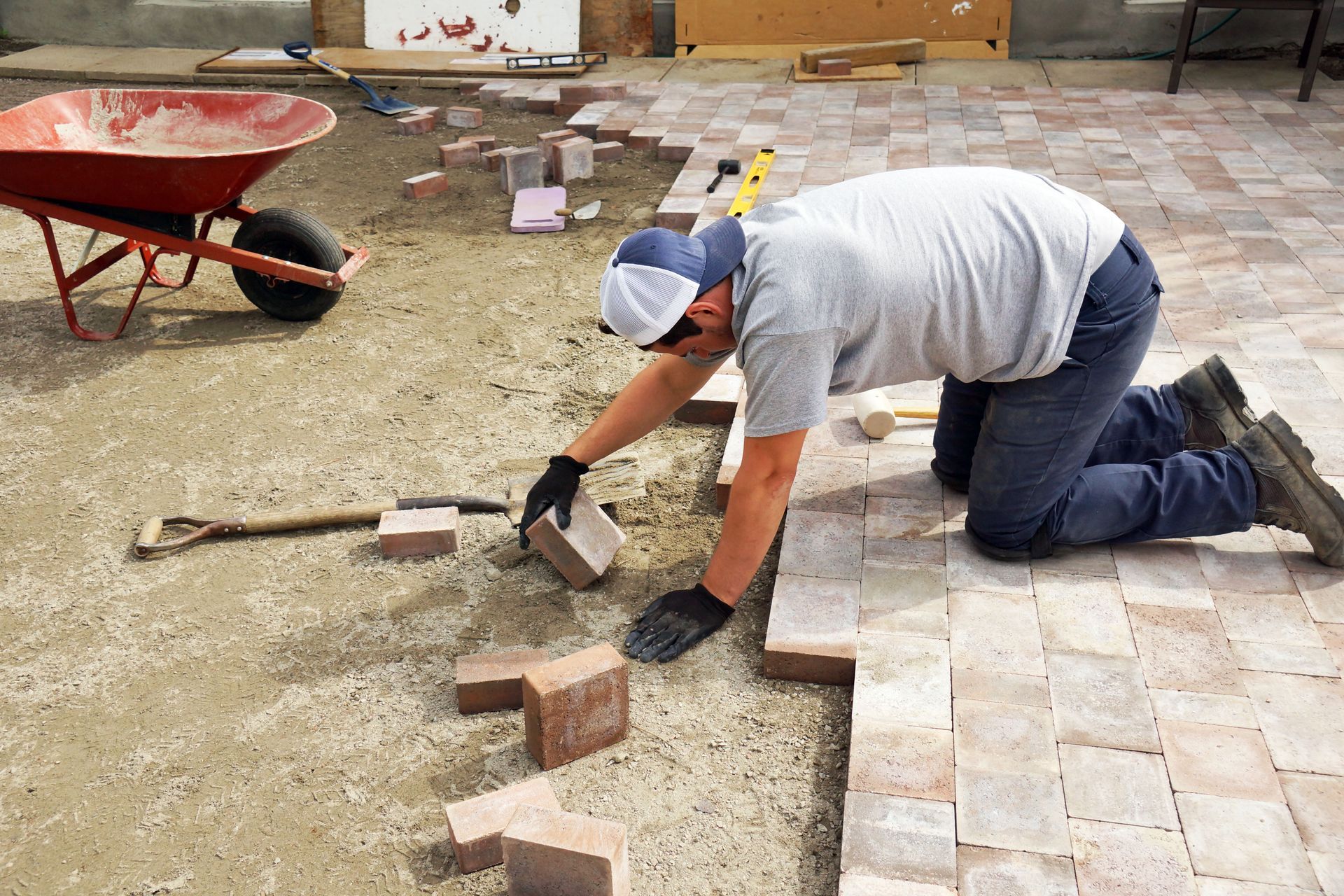
A hardscaping contractor can inspect the affected area and determine whether the problem is caused by poor installation, drainage issues, soil movement, or normal wear. In some cases, repairs may be enough to restore the surface. In others, rebuilding the base or replacing damaged materials may be necessary to create a safer and longer-lasting result. Ignoring uneven or damaged hardscaping can allow problems to worsen over time, leading to more extensive repairs and increased costs. Addressing these concerns early helps protect both the appearance and functionality of your outdoor space.
2. Seeing Water Pool Around Your Property
Standing water is a sign that your outdoor space may not be draining properly. A hardscaping contractor can help identify drainage concerns before they lead to larger property issues. Water that collects near patios, walkways, driveways, or foundations can lead to erosion, slippery surfaces, plant damage, and structural concerns. Poor drainage can also shorten the life of hardscape features by weakening the base underneath them.
Professional hardscaping can help redirect water away from problem areas through grading, drains, retaining features, or properly installed surfaces. A local expert can evaluate how water moves across your property and recommend solutions that fit the layout of your yard. Addressing drainage problems early can prevent more serious damage and help your outdoor areas remain usable after heavy rain. Persistent drainage issues may also contribute to foundation problems, soil erosion, and damage to nearby landscaping over time. Proper water management helps protect both hardscape features and surrounding areas while improving the overall safety and function of the property.
3. Dealing With Sloped or Unstable Ground
Sloped yards can be difficult to use and maintain. They may also create erosion problems, especially after storms. Soil can wash away, mulch can shift, and landscaping may struggle to stay in place. If parts of your yard feel unstable or unusable, hardscaping may help create more structure and function.
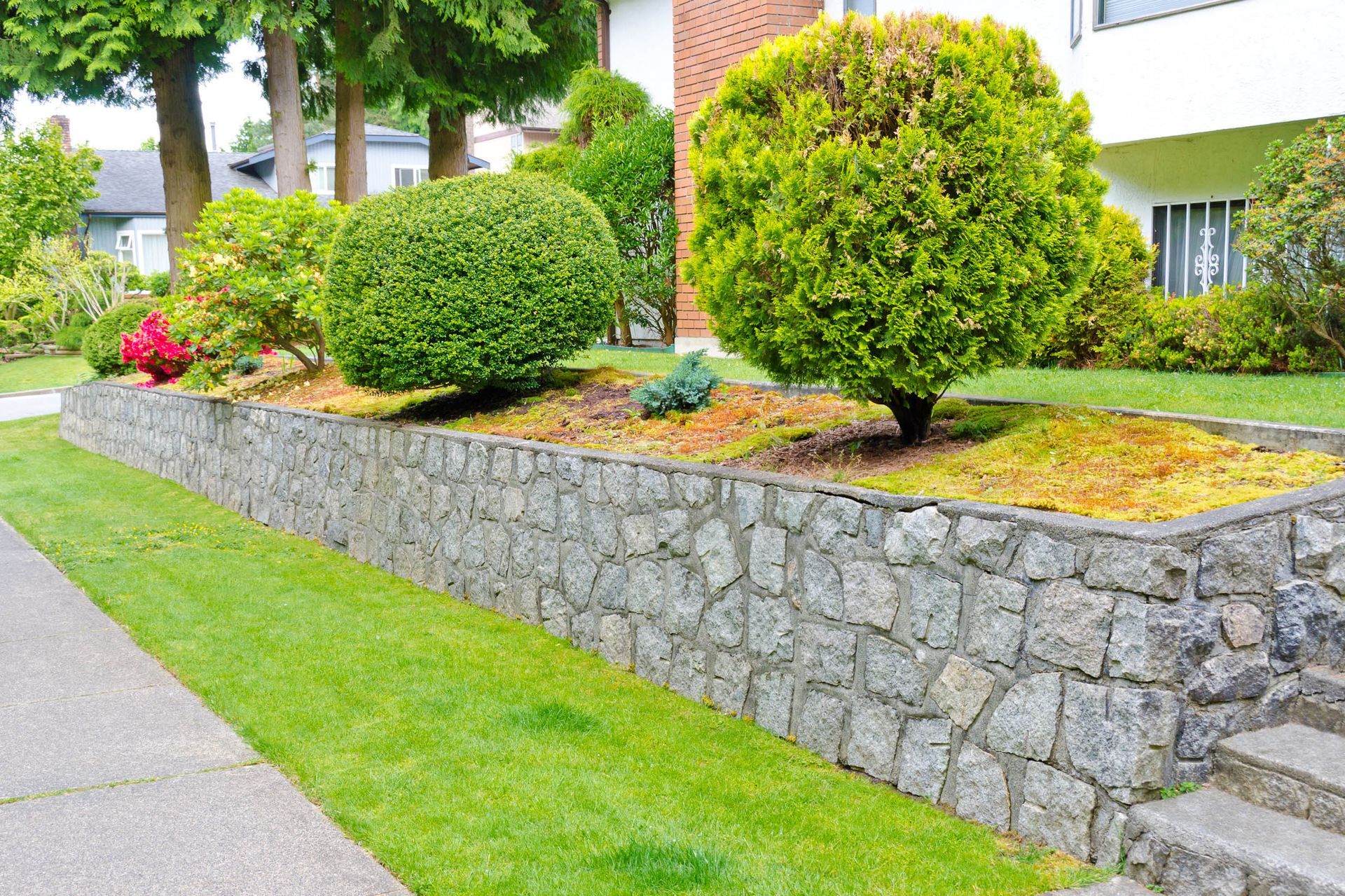
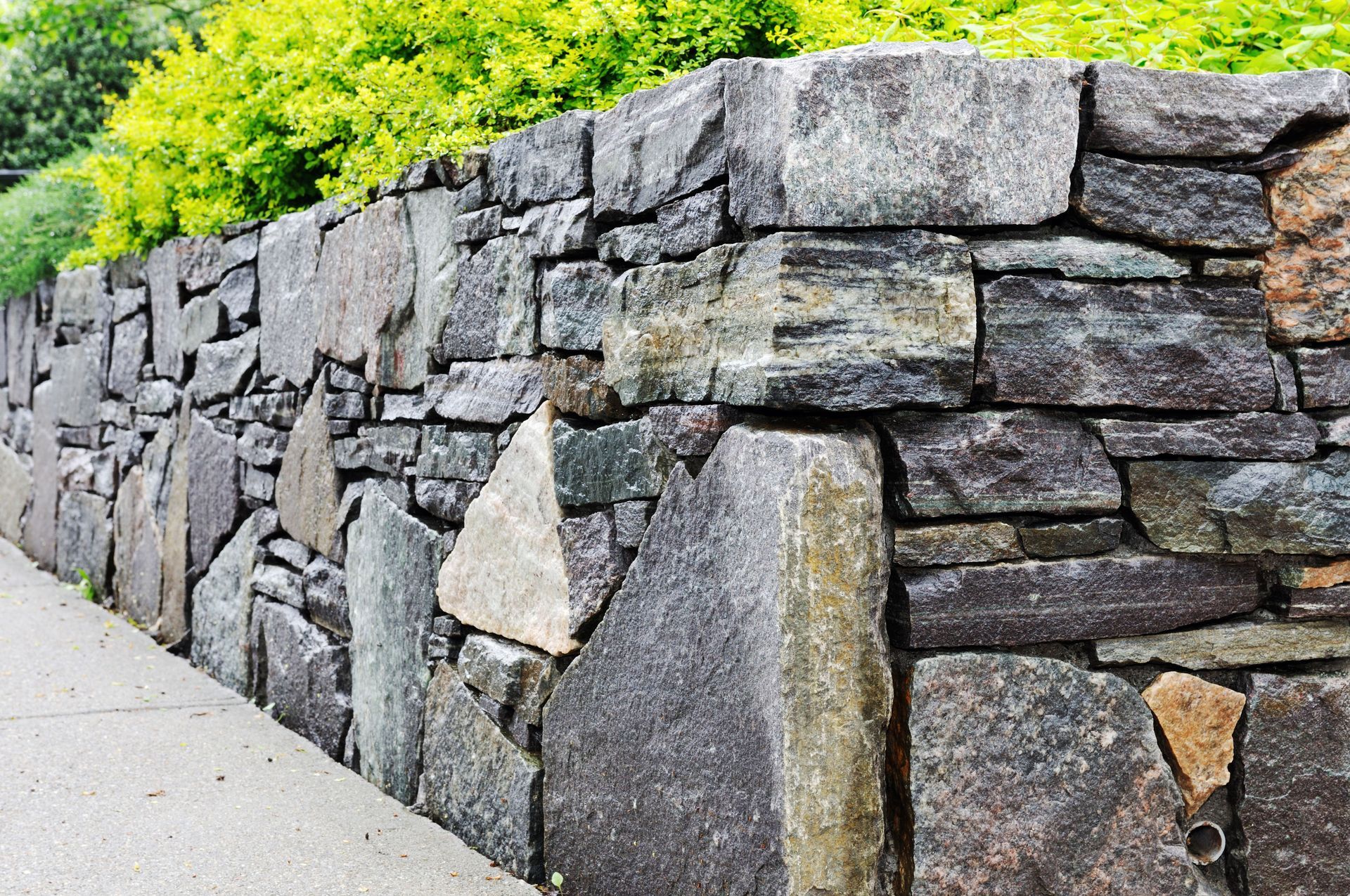
Retaining walls, terraces, steps, and properly graded surfaces can make sloped areas safer and more attractive. According to LawnStarter, in many areas, retaining walls taller than 4 feet require permits, and some local municipalities also require permits for smaller walls. A hardscaping contractor can help homeowners understand when permits may be needed and how to plan a wall or slope solution properly. Stabilizing sloped areas can also help improve drainage, reduce long-term maintenance, and create additional usable outdoor space. Well-designed retaining features can support both safety and curb appeal while helping protect the landscape from future erosion issues.
4. Struggling With Limited Outdoor Function
If your yard looks nice but does not support the way you want to use it, it may be time to consider hardscaping improvements. Some properties lack comfortable spaces for dining, relaxing, entertaining, or moving between outdoor areas. Without patios, walkways, seating areas, or defined zones, a yard can feel unfinished and inconvenient.
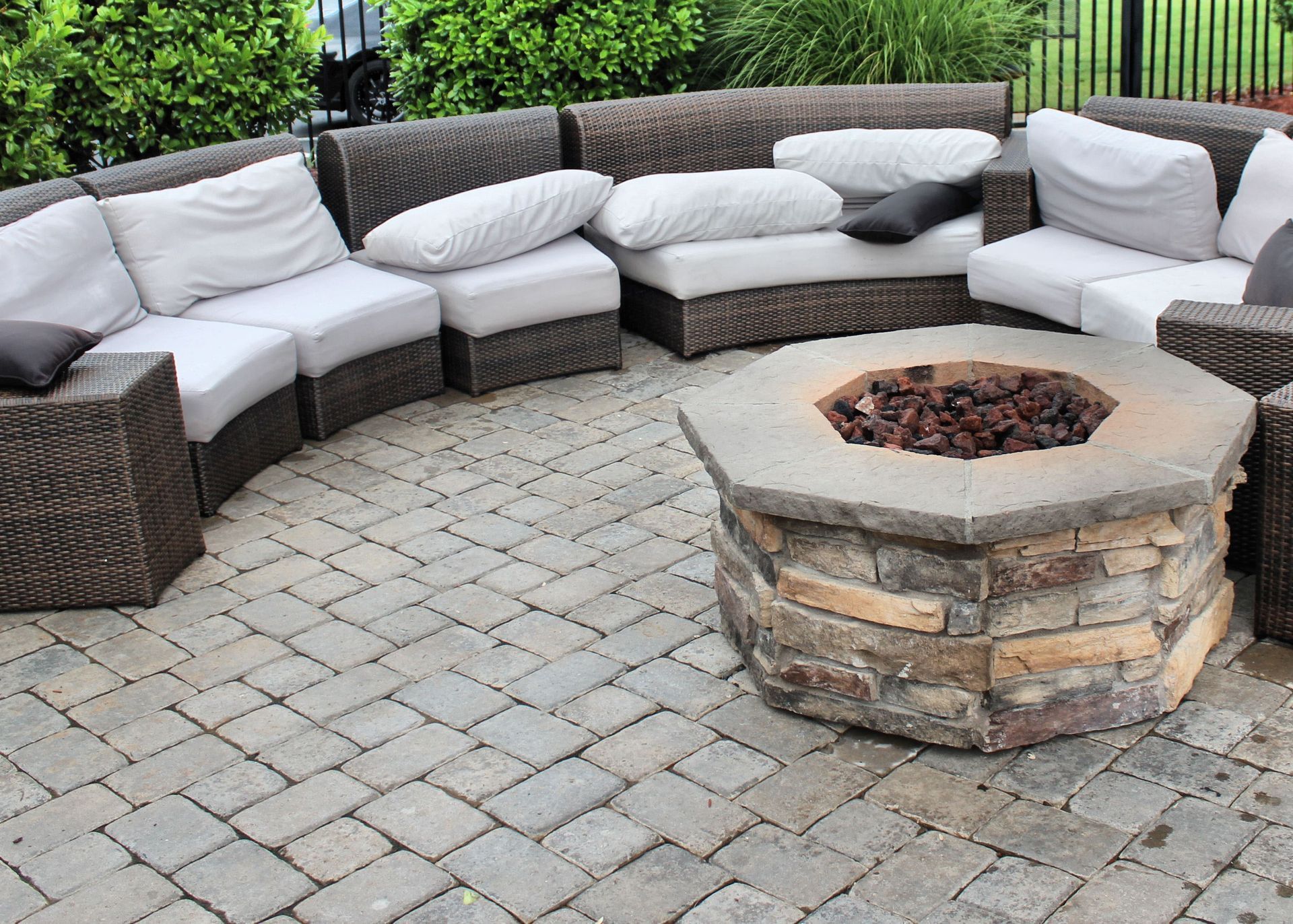
Hardscape design can help turn unused areas into practical outdoor living spaces. A patio can create room for seating, a walkway can improve access, and stone borders can organize garden beds or gathering areas. When these features are designed thoughtfully, the property becomes more enjoyable and easier to navigate throughout the year. Functional hardscaping can also help improve traffic flow throughout the yard while creating spaces better suited for gatherings, outdoor cooking, or everyday relaxation. Thoughtful layouts can make outdoor areas feel more comfortable, organized, and visually connected to the rest of the property.
5. Maintaining Outdated or Damaged Features
Older hardscape features can lose their appearance and function over time. Faded pavers, cracked concrete, leaning walls, loose stones, and worn steps can make a property feel dated. These problems may also become harder to maintain as materials continue to break down. If repairs are becoming frequent, replacement or redesign may be a better option.
A hardscaping contractor can help determine whether existing features can be repaired or should be updated. Modern materials may offer better durability, improved style, and easier maintenance. Updating outdated hardscaping can refresh curb appeal while improving safety and everyday use. It can also help the outdoor space better match the current look and needs of the property. Replacing damaged or aging hardscape features may also improve property value and reduce ongoing maintenance concerns. Updated materials and layouts can create a cleaner, more modern appearance while helping outdoor areas function more efficiently for everyday activities and entertaining.
6. Planning Major Landscape Upgrades
If you are planning a larger outdoor improvement project, professional hardscaping should be part of the conversation. Landscaping and hardscaping work best when they are planned together. Plant beds, patios, walkways, lighting, drainage, and walls should all support the same overall design. Without proper planning, one improvement may interfere with another.
Working with a local professional helps create a more complete plan for your property. Instead of adding features one at a time without a clear direction, you can build an outdoor space that feels balanced and intentional. This approach can save time, reduce mistakes, and help ensure each part of the project works well with the rest of the landscape. Coordinating hardscaping and landscaping improvements from the beginning can also help prevent unnecessary future modifications or added expenses. A well-planned outdoor design creates a more cohesive appearance while supporting better functionality, easier maintenance, and long-term enjoyment of the entire property.
7. Worrying About Long-Term Value
Hardscaping can affect both the appearance and value of a property. Worn, unsafe, or poorly planned outdoor features may create a negative impression, while well-designed patios, walkways, and walls can improve curb appeal and usability. If you are thinking about resale value or simply want to protect your investment, outdoor improvements should be planned carefully.
A hardscaping contractor can recommend features that fit your property, budget, and long-term goals. The right improvements can make outdoor areas more attractive, durable, and functional. By choosing quality materials and proper installation, homeowners can enjoy better performance and fewer maintenance issues over time. Professional guidance helps ensure the finished project adds value instead of creating future problems.
Your outdoor space should be safe, attractive, and functional, but issues like cracking, drainage problems, unstable slopes, and outdated features can make that difficult. Recognizing these signs early can help you avoid larger repairs and create a property that works better for your needs. Professional hardscaping can improve access, manage water, support sloped areas, and add lasting beauty to your landscape. To start planning your next outdoor improvement with a skilled hardscaping contractor, contact Modern Landscaping Inc.